LISTEN
EXTRAS
- Naxos · Naxos's own page for 8.557681: stream or buy it
 Apple Music · The complete album, 42 tracks, released 29 August 2006
 Spotify · The complete album
 YouTube · The complete album as a playlist on the ensemble's own channel
EXPLORE
THE STORY
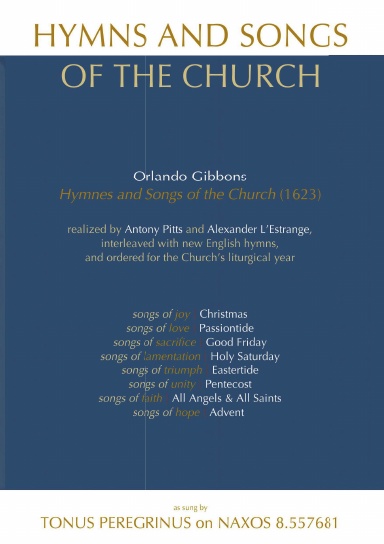
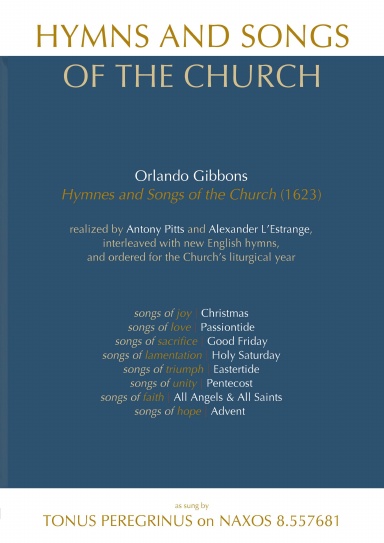
Glenn Gould: 'I always said the most fascinating beautiful little piece in all of music is a hymn by Orlando Gibbons, by the name Thus Angels Sang. I couldn’t count the times I’ve let these bars wander through my mind, or how often I’ve played them on the piano...' Gibbons’ exquisite tunes and rock-solid basslines for the first English hymnbook, Hymnes and Songs of the Church (published by George Wither with his hymn-texts in 1623), were written to be sung and played both at home and in church. In this practical and adventurous collection for choirs of all sizes and abilities (as on the acclaimed TONUS PEREGRINUS recording on Naxos 8.557681), Gibbons' music has been realized by Antony Pitts and Alexander L’Estrange in a variety of styles, interleaved with new English hymns by themselves (including 'There is a green hill') and two more Pitts brothers - James and John, and arranged in eight sequences following the Church’s liturgical year, each capped with an Amen.
ORIGINS
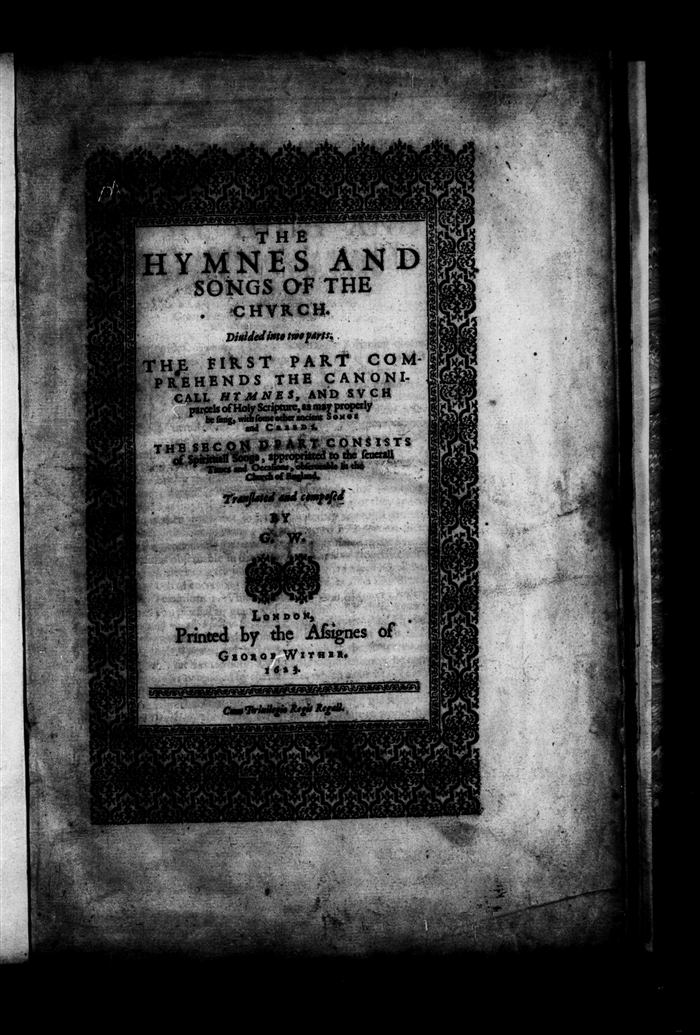
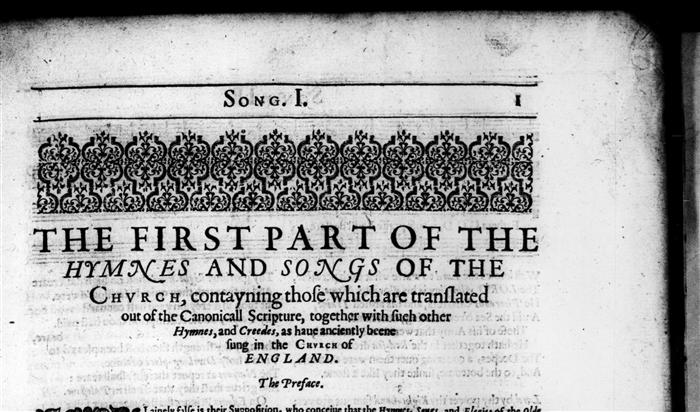
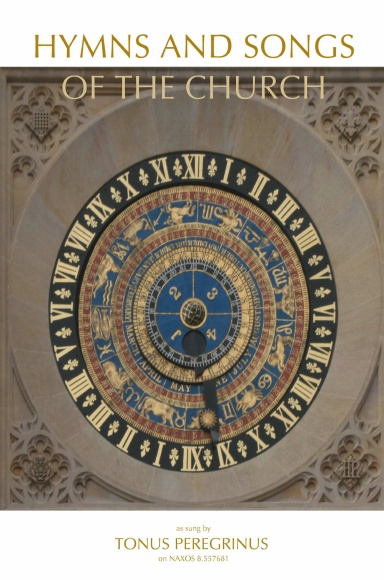
The first English hymnbook: George Wither's words with Orlando Gibbons' tunes, printed in 1623 by the assignes of George Wither.
MUSOGRAPHY
The musography: how this project connects, drawn live from the Equal Music graph and linked to where each connection comes from.
PEOPLE
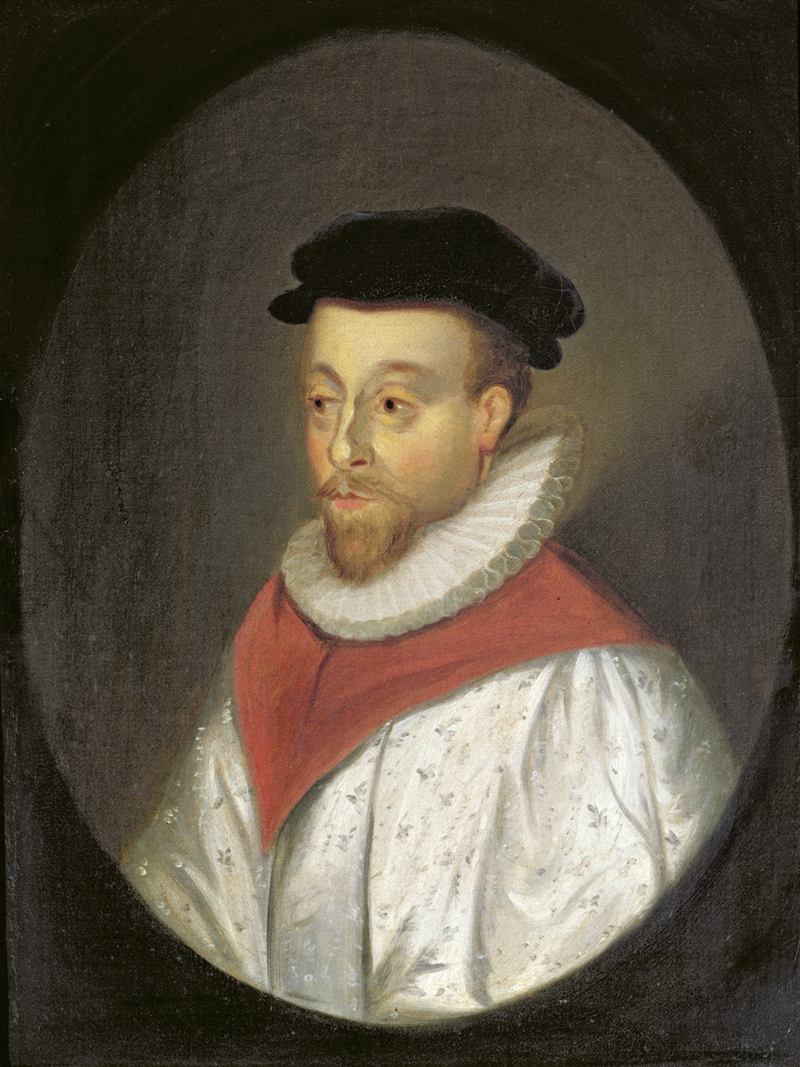
Orlando Gibbons
wrote the tunes for the first English hymnbook in 1623, songs 'to be sung and played both at home and in church'.
Orlando Gibbons (1583–1625) was the leading English church composer and keyboard player of his generation: a Gentleman and organist of the Chapel Royal, organist of Westminster Abbey, and an Oxford Doctor of Music. His tunes for the 1623 Hymnes and Songs of the Church, composed for George Wither's texts, are the first body of music written for an English hymnbook.
George Wither
the poet whose hymn-texts the 1623 book carried, printed by his own assignes.
George Wither (1588–1667) was a poet and pamphleteer whose Hymnes and Songs of the Church (1623) became the first English hymnbook. A royal patent ordered it bound with every metrical psalm-book; his own assignes printed it, with the tunes he commissioned from Orlando Gibbons.
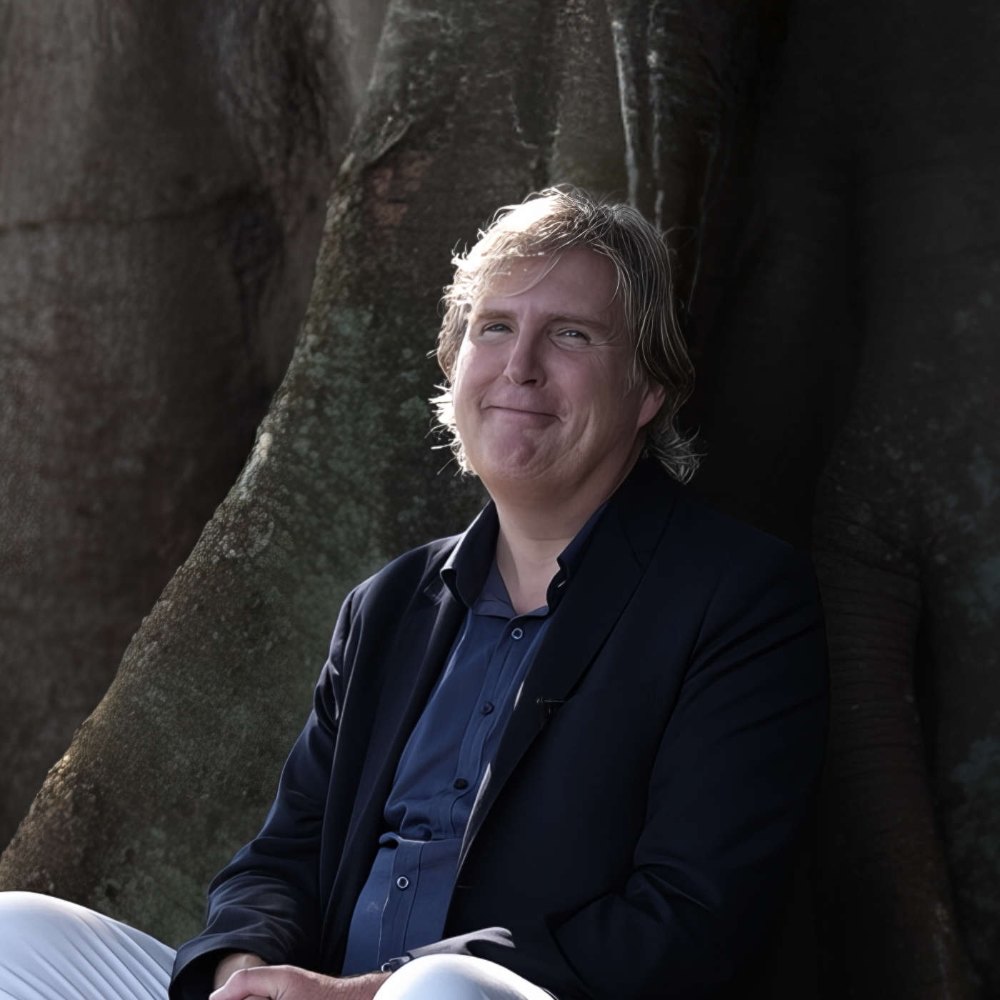
Antony Pitts
realized Gibbons' tunes for today's choirs, and directed the recording from the chamber organ.
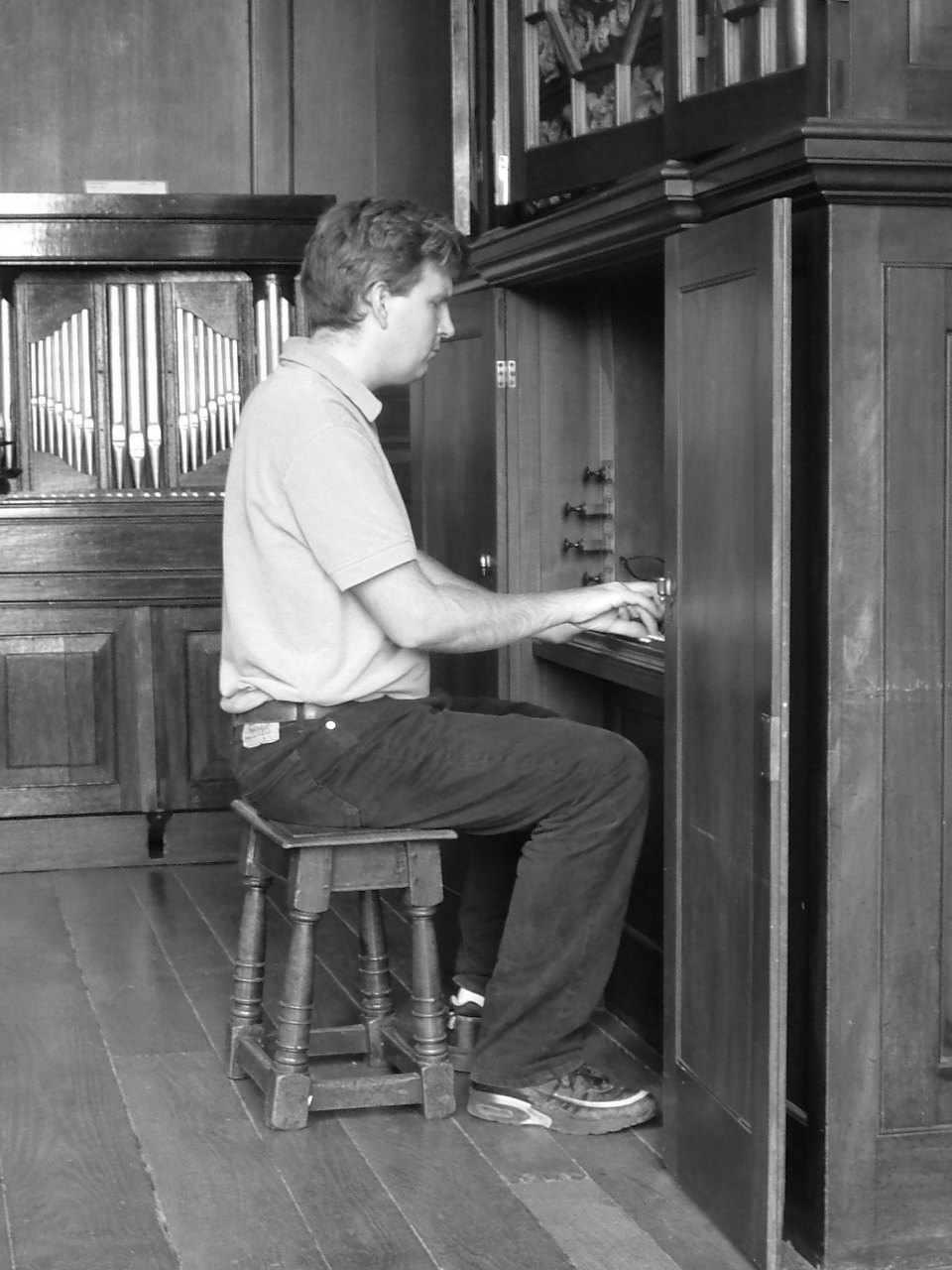
Antony Pitts is a composer, conductor, and producer, and the founder of TONUS PEREGRINUS. For this collection he realized Gibbons' tunes for today's choirs, composed several of the new hymns, and directed the September 2004 recording, playing a 1766 John Byfield chamber organ from the Finchcocks Collection.

Alexander L'Estrange
co-realized the collection; countertenor and double bass (Mo Clifton, 2002) on the recording.
Alexander L'Estrange (b. 1974) is a British choral composer, arranger, and jazz musician, educated as a chorister at New College, Oxford, and later at Merton College. He co-realized the collection with Antony Pitts, composed new hymns for it, and sang countertenor and played double bass on the recording.
John Michael Pitts
composed Thy way, not mine for the collection.
John Michael Pitts is a composer and one of the three Pitts brothers on this album, with Antony and James: in his setting of Thy way, not mine, 'chromatic hymnody is pushed to the edges' (booklet notes).
Richard James Pitts
composed O Lord Most High for the collection.
Richard James Pitts is a composer and one of the three Pitts brothers on this album, with Antony and John: his Ascensiontide hymn O Lord Most High brings together traditional harmonies and a more exotic rhythmic lilt (booklet notes).

Joanna Forbes L'Estrange
soprano on the recording, as Joanna Forbes.
Joanna Forbes L'Estrange is a British vocalist, choral composer, and choir director. After reading music at Oxford she spent seven years at the helm of the five-time Grammy-winning jazz vocal group The Swingle Singers; she sang soprano on this recording as Joanna Forbes.
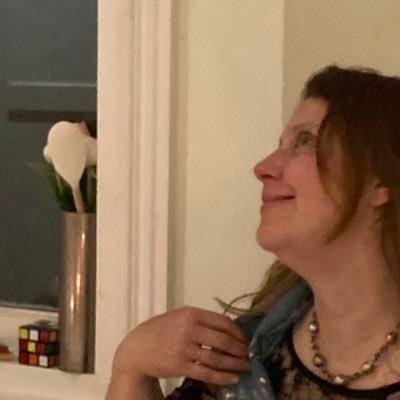
Rebecca Hickey
soprano on the recording.
Rebecca Hickey began singing in her local church choir at the age of five. A long-standing member of TONUS PEREGRINUS, she also sings with the early-music vocal ensemble Stile Antico, taking Renaissance polyphony across Europe, the Americas, and Asia.

Kathryn Knight
alto on the recording, as Kathryn Oswald.
Kathryn Knight read music at Worcester College, Oxford, where she held a Music Scholarship, and has pursued a career across publishing, education, and technology in the UK and USA. A founder-director of the national schools singing programme Sing Up, she sang alto on this recording as Kathryn Oswald.

Richard Eteson
tenor on the recording.
Richard Eteson (b. 1975) was Head Chorister and later a tenor choral scholar at King's College, Cambridge, where as a boy he sang the opening solo of Once in Royal David's City for the world-famous carol service. A member of The Swingle Singers from 2000, he has sung in many of the world's leading venues.

Alexander Hickey
tenor on the recording.
Alexander Hickey KC started singing as a chorister at Hereford Cathedral and went up to Christ Church, Oxford, as a choral scholar. He combines singing with professional choirs in and around London with a career as a barrister specialising in construction law.
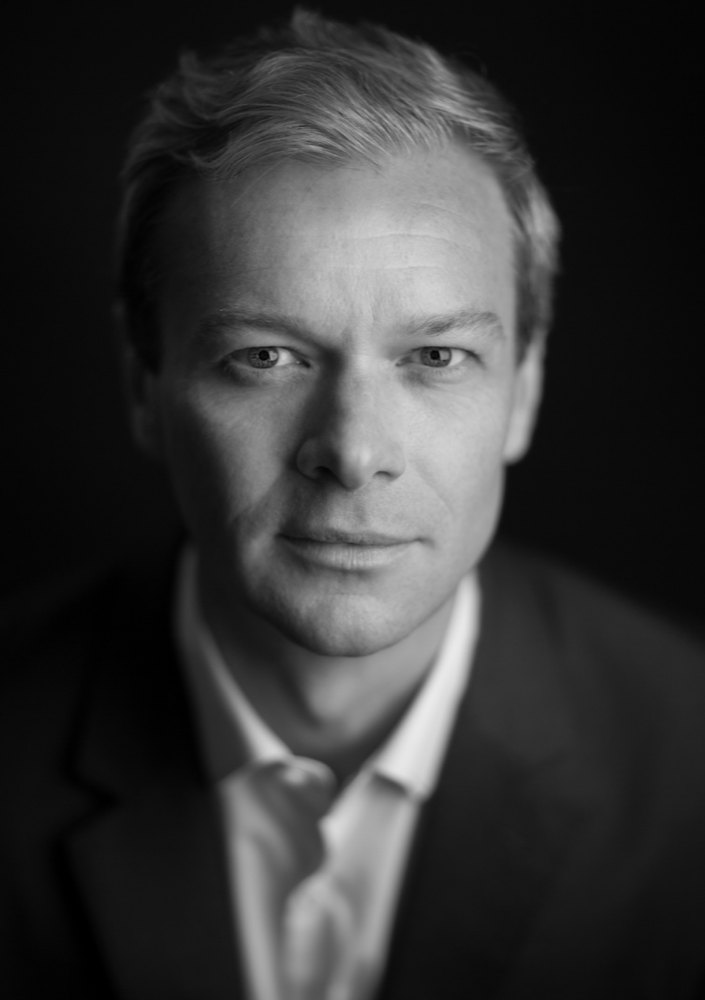
Francis Brett
bass on the recording.
Francis Brett has sung professionally since graduating from King's College, Cambridge, and the Royal College of Music, with TONUS PEREGRINUS, the Royal Opera House, English National Opera, The Sixteen, and Exaudi, and as a soloist under conductors including Trevor Pinnock and Richard Hickox.
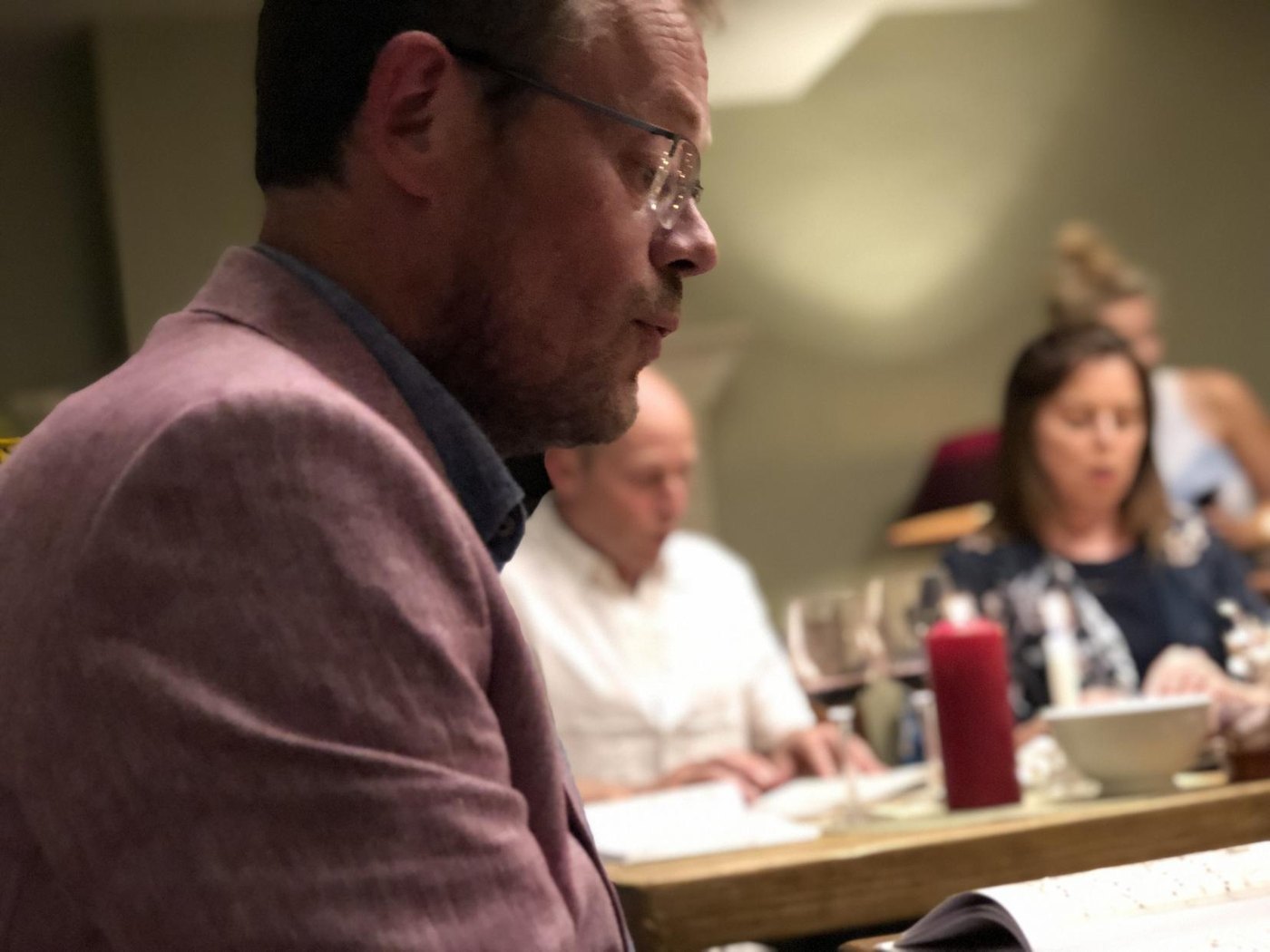
Nick Flower
bass on the recording.
Nick Flower first sang with TONUS PEREGRINUS in 1990 and appears on the ensemble's recordings of Passio, The Mass of Tournai, and Seven Letters. He runs the production, website, and data management departments at Hyperion Records.
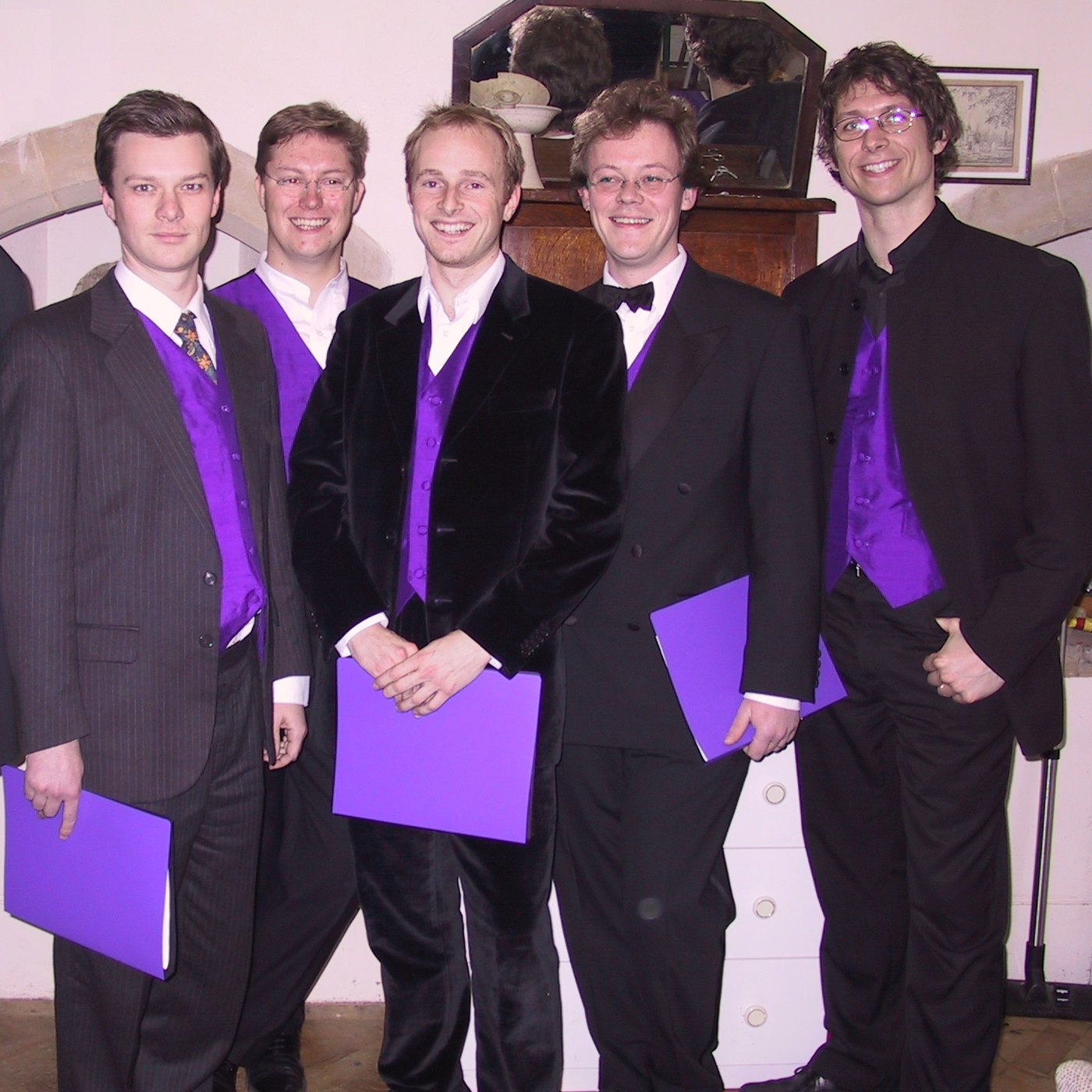
TONUS PEREGRINUS
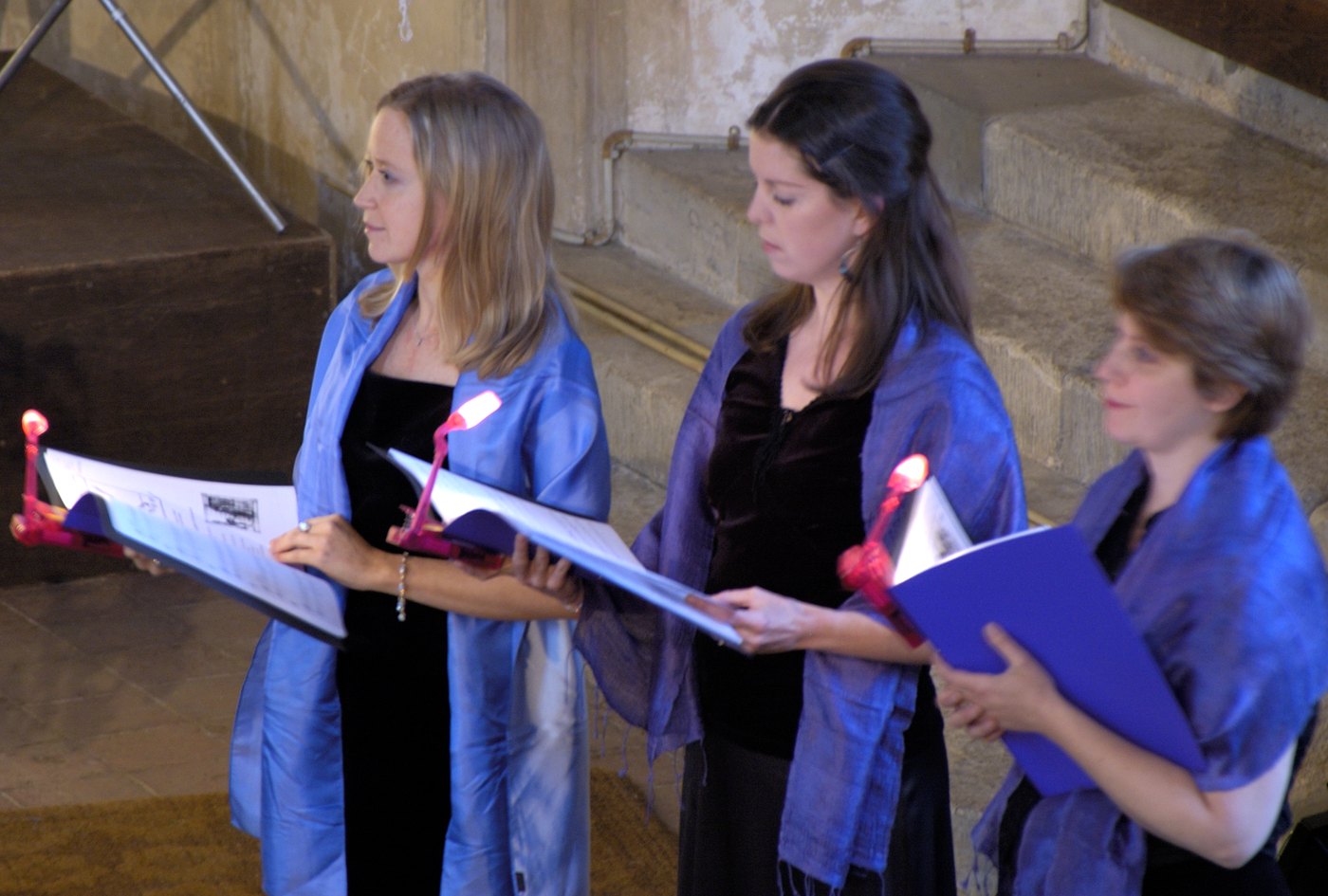
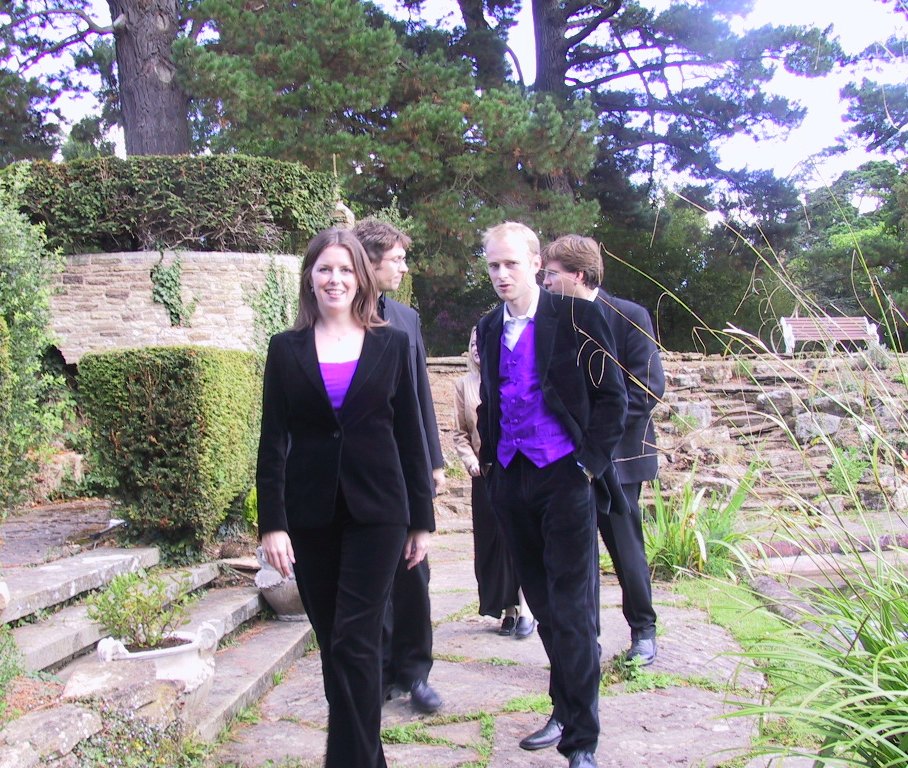
the ensemble whose acclaimed Naxos recording carries the whole collection: eight singers, recorded in 24-bit digital over three days in September 2004.
The vocal ensemble founded and directed by Antony Pitts. This collection was recorded from 28 to 30 September 2004 in Bromley Parish Church and at Finchcocks, Goudhurst, Kent, engineered by Geoff Miles, produced by Geoff Miles and TONUS PEREGRINUS, and released on Naxos 8.557681 in 2006. The record is in eight sequences: Songs of joy (tracks 1 to 6), Songs of love (7 to 12), Songs of sacrifice (13 to 16), Songs of lamentation (17 to 21), Songs of triumph (22 to 27), Songs of unity (28 to 33), Songs of faith (34 to 39), and Songs of hope (40 to 42).
PRESS
“Antony Pitts and Alexander L’Estrange have made a splendid job of arranging the tunes in different ways, sometimes with impeccable 17th-century harmonies, full of luscious false relations and richly ornamented, sometimes in more up-to-date and imaginative styles that suit them very well.”
“This is uniformly well-balanced ensemble singing, tonally rich, vibrant, and clearly articulated, and the straightforward style perfectly suits Gibbons’ functional, easily singable tunes.”
“a valuable documentary for anyone interested in the early development of English hymnody”
“what makes this disc so fascinating, for me anyway, is that it is a collaboration, a holding of hands across the centuries between Orlando Gibbons and four young British composers. The music is performed by a fine group of 21st Century young singers of real talent and commitment.”
“The singing is first class throughout and the arrangements are beautifully done. This budget-priced disc must be of interest to any listener who enjoys choral singing either ancient or post-modern.”
“beautifully interspersed with original hymns by Antony Pitts, his two brothers John and James, and Alexander L’Estrange, the countertenor of the ensemble – and all with delightful stylistic and devotional cohesion”
“There is a green hill far away should be in every high school choral library. It is a wonderful teaching resource for the late Renaissance style even though it is newly composed.”
PERFORM
New edition forthcoming late 2026.
SHEET MUSIC
PRINTED EDITIONS
Print-on-demand editions, fulfilled by Lulu.
LICENSING
The recording is a Naxos master (8.557681), streamed here from the ensemble's own YouTube playlist and linked to Naxos and the streaming services; it is not hosted by Equal Music. The music of Orlando Gibbons and George Wither (1623) is in the public domain. The arrangements and the four modern hymns are published by 1equalmusic: the standard, large-format, and hardback editions are listed in the score catalogue at one.equal.music, with print-on-demand fulfilled by Lulu, and the PDF downloads on the PERFORM tab are free with an Equal Music sign-in. If you would like to perform this music, we would love to hear from you: use the link below, or the Connect tab. The PDFs on the PERFORM tab are for your own use. Write to us about performing this music
CONNECT
Share this page as you see it, or pick exactly what to share.